

By Christine Mutinda
Africa’s energy transition presents an extraordinary opportunity to build industries, add value to the continent’s resources and create decent jobs. But financing that transformation must begin with a critical question: how much of the value Africa already generates is being retained and reinvested in its own development?
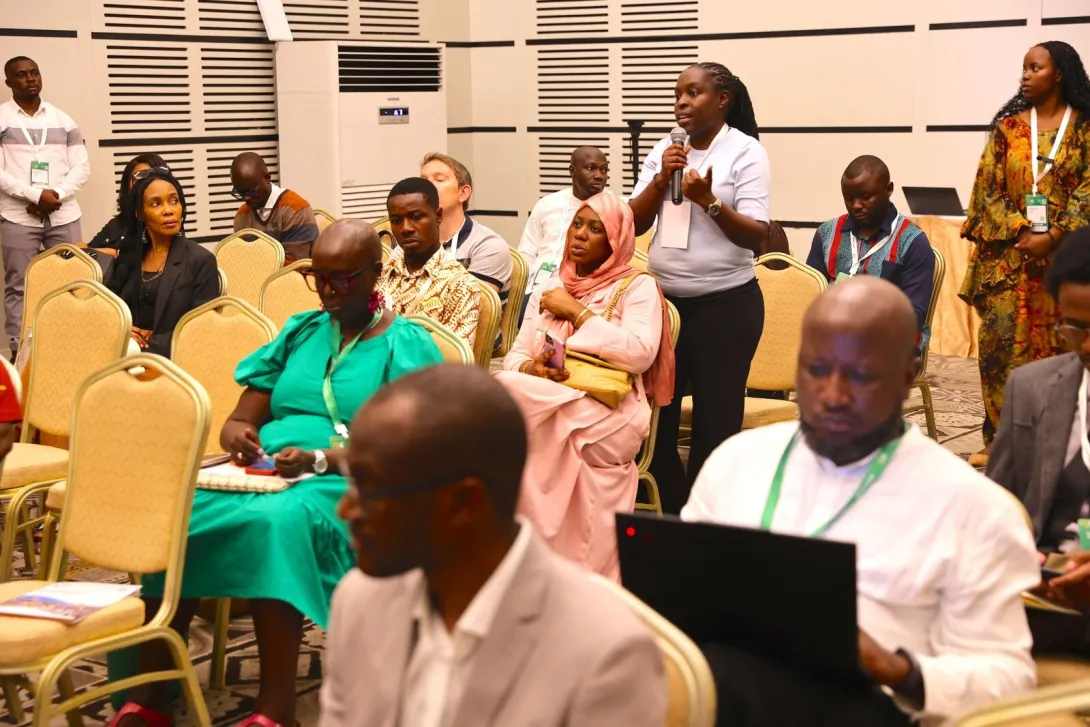
This question was at the heart of a Tax Justice Network Africa (TJNA) side session at the Future of Energy Conference (FEC) 2026, held on 26 August 2026 in Accra, Ghana. Convened under the theme “Financing Africa’s Green Industrialisation in the Energy Transition,” the discussion brought together perspectives from tax justice, energy finance, industrial policy, climate and trade to examine how Africa can finance reliable energy systems for industrialisation and value addition without eroding fiscal space or deepening dependence on costly external capital.
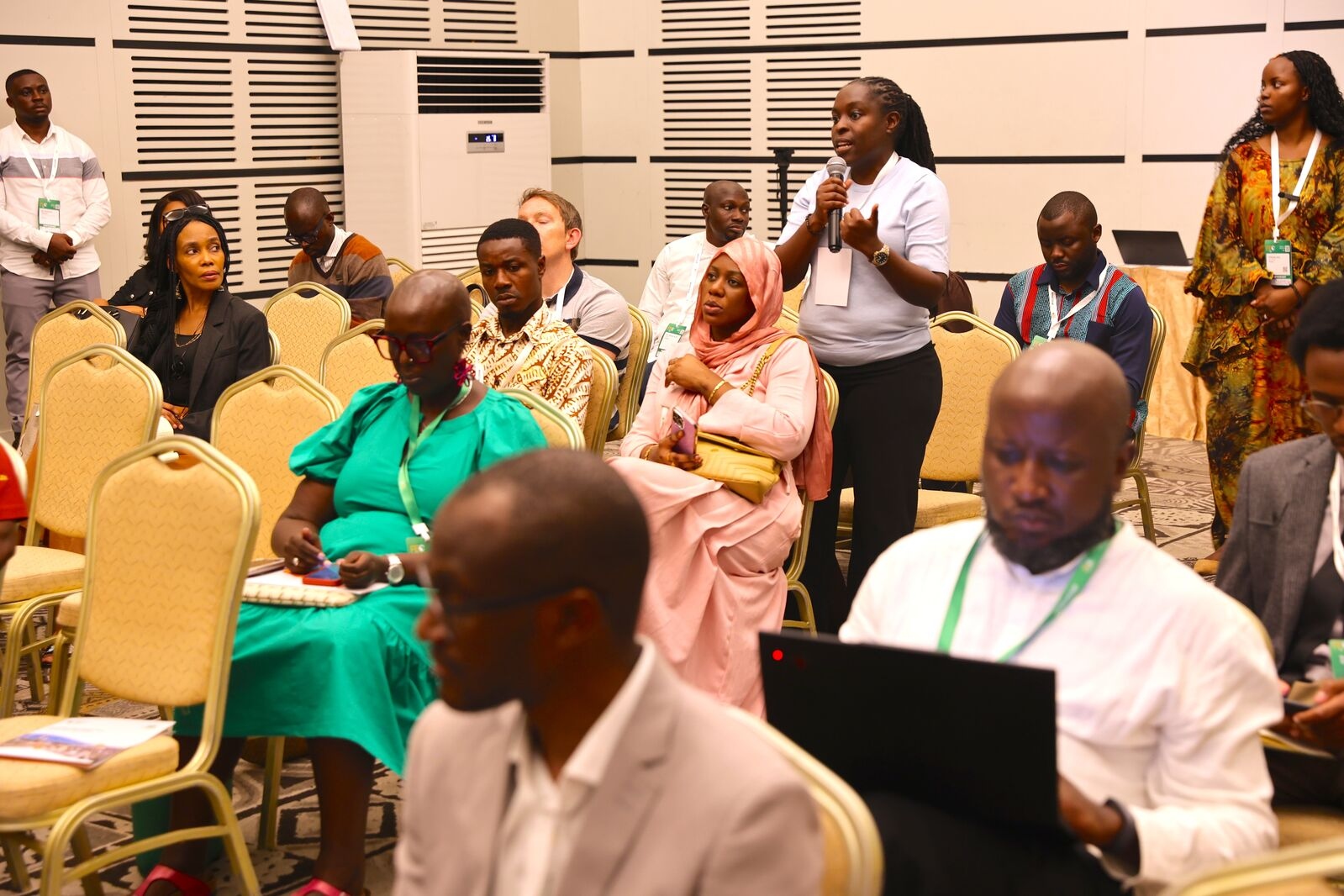
The session featured Gloria Majiga, Policy Officer at TJNA; Noelle Okwedy of Enzi Ijayo Africa; and Maria Ogbugo, Director of Programs at Africa Future Policies Hub, and was moderated by Alaka Lungozo of Global Witness. It brought together 36 participants for an interactive discussion on the choices Africa faces as it seeks to turn its energy and mineral endowments into sustainable economic transformation.
Africa’s industrialisation ambitions depend on affordable and reliable energy. Beneficiating critical minerals, manufacturing batteries and other green technologies, processing agricultural products and building competitive industries all require functioning energy infrastructure.
In her intervention, Gloria Majiga argued that African governments are already significant contributors to many investments through tax holidays, guarantees, infrastructure, concessional resources and other forms of fiscal and non-fiscal support. Understanding the true public contribution to an investment is therefore essential to determining whether the benefits ultimately justify the costs.
“Africa does not have to choose between attracting green investment and protecting public revenue. If public resources are supporting private investment, we must be clear about the return — in revenues, affordable energy, local value addition, decent jobs, skills and stronger African industrial capacity.”Gloria Majiga, Policy Officer, TJNA
This shifts the domestic resource mobilisation conversation away from simply asking how governments can raise more taxes. Instead, it asks whether African countries are collecting a fair share of the value already being generated, preventing revenue leakages and strategically reinvesting those resources in productive sectors.
TJNA highlighted the need to strengthen transfer-pricing enforcement and beneficial-ownership transparency, address illicit financial flows, scrutinise tax holidays and guarantees, improve transparency around contracts and ensure that extractive and industrial revenues contribute to energy infrastructure and domestic value addition.
Public support must deliver public value
A central message emerging from the session was that incentives themselves are not necessarily the problem. The critical issue is how they are designed, governed and evaluated.
Where governments provide tax incentives, guarantees, infrastructure or other forms of support to attract investment, these interventions should be transparently costed and linked to measurable outcomes.
The panellists concluded that financing Africa’s energy and industrial transformation will require stronger domestic resource mobilisation, fair taxation and well-designed fiscal incentives. They emphasised that public support for investment must be transparent, time-bound and tied to measurable development outcomes that deliver real value for African economies — including revenue, affordable energy, decent jobs, technology transfer and local value addition.
Challenging the cost of financing Africa
The conversation also examined why African energy projects continue to face comparatively expensive finance.
Noelle Okwedy of Enzi Ijayo Africa highlighted the role of risk perception in driving up the cost of capital, alongside genuine constraints such as currency mismatches, policy uncertainty, weak utilities and political pressures around electricity pricing.
The discussion challenged broad risk assumptions that treat Africa as a single investment category, emphasising the importance of evidence that reflects individual country conditions and actual project performance. Participants also stressed the need for patient and appropriately structured finance, credible projects, reliable supply chains, supporting infrastructure and stable policy environments.
Policy coherence emerged as particularly important. Governments cannot promote renewable-energy investment while simultaneously adopting contradictory industrial, trade or import policies that create uncertainty. Energy, industrial, mining, tax and trade strategies must instead reinforce one another and provide a credible long-term direction for investors and citizens alike.
Preparing Africa for a changing climate and trade landscape
The discussion also turned to the European Union's Carbon Border Adjustment Mechanism (CBAM) and the implications of emerging climate-related trade measures for African economies.
Maria Ogbugo of Africa Future Policies Hub noted that such measures can incentivise cleaner production, but they also expose significant readiness gaps for African exporters. Without adequate technology, finance and credible systems for monitoring, reporting and verification, African producers may struggle to demonstrate the carbon performance of their goods, potentially weakening their competitiveness even where production is comparatively low-carbon.
Participants therefore stressed that Africa's response to CBAM must go beyond simply introducing domestic carbon taxes. Countries need stronger emissions data, verification capacity, appropriate technology and finance, alongside coordinated African engagement in the international forums where climate and trade rules are being shaped.
The discussion further emphasised that any carbon taxation adopted by African countries must uphold the polluter-pays principle, be administratively realistic and avoid shifting corporate compliance costs onto low-income households.
From conversation to action
For TJNA, the conversation will continue beyond Accra. The Network will build on the session by distilling its tax justice messages on financing green industrialisation through domestic resource mobilisation; deepening engagement around equitable carbon taxation and CBAM readiness; strengthening collaboration with partners working across finance, trade, energy and industrial policy; and carrying these perspectives into regional and global policy spaces.
The continent has a limited window to ensure that its critical minerals, renewable-energy potential, public revenues and growing markets translate into African power systems, African industries, African value addition and African jobs.
Financing the transition, therefore, is not only about finding more capital. It is about retaining more value, governing it better and investing it deliberately in Africa’s transformation.
For more information about TJNA’s participation, please contact gmajiga[@]taxjusticeafrica.net
