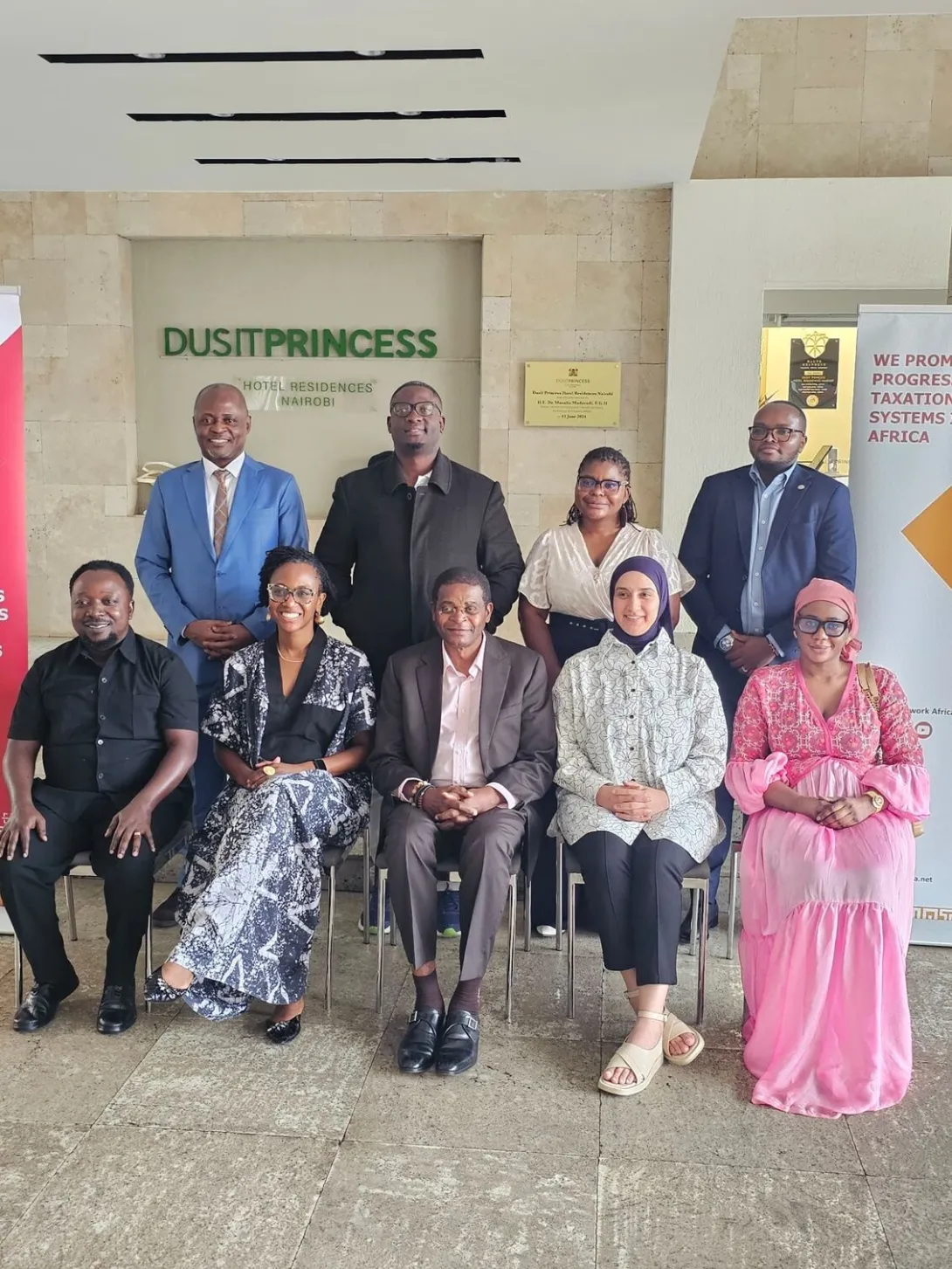
The Tax Justice Network Africa (TJNA) Executive Council convened its second quarter meeting on 29 June 2026, bringing together Council members and the Secretariat to review organisational progress, strengthen governance, and chart the organisation's strategic direction for the next five years. The meeting combined a governance training session with the formal Executive Council meeting, reflecting TJNA's commitment to continuous institutional strengthening and effective leadership.
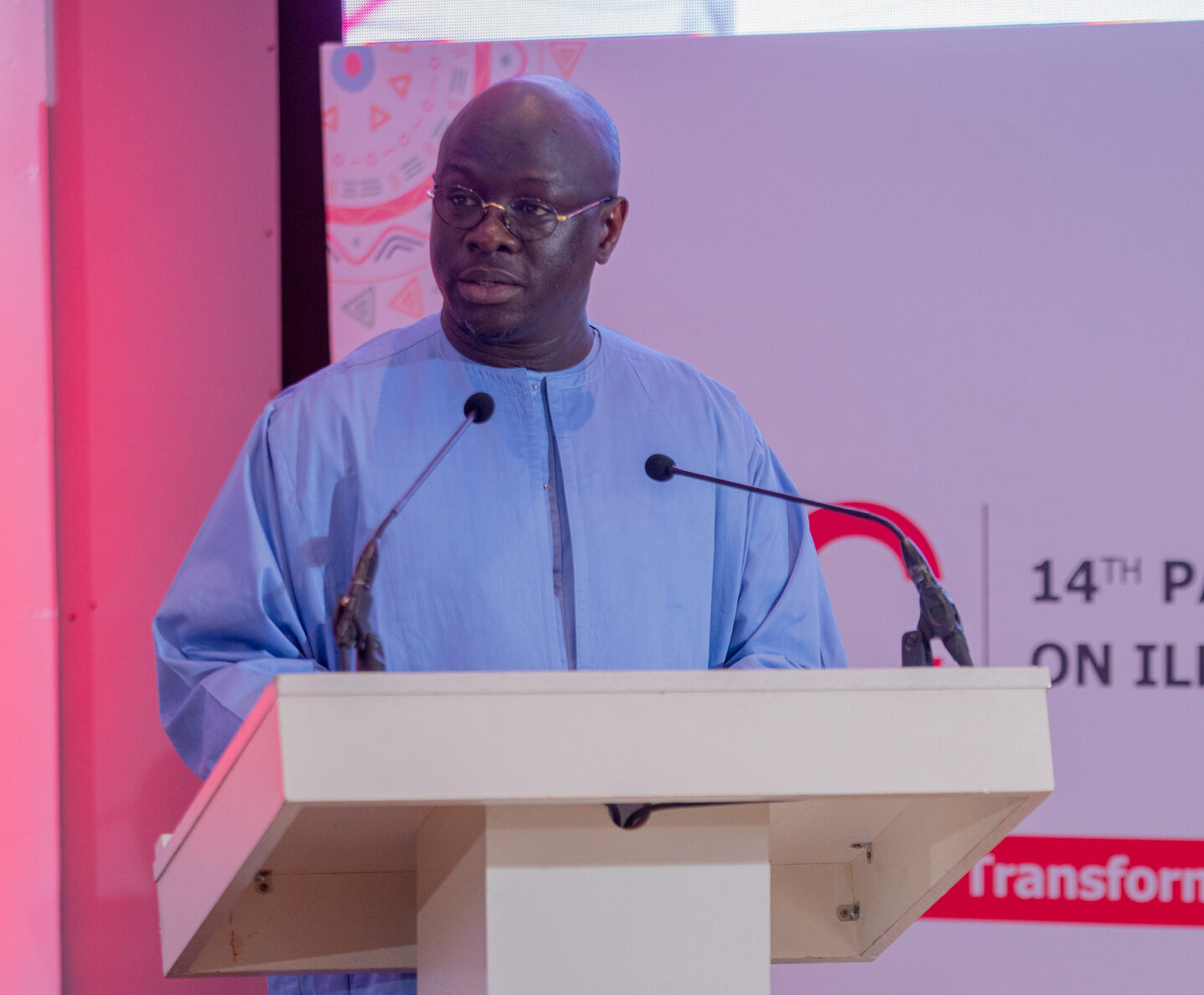
Opening the meeting, Executive Council Chair Mr Jean Mballa Mballa welcomed members and reaffirmed the Executive Council's role as custodian of TJNA's vision, values and long-term sustainability.
"Our responsibility as an Executive Council extends well beyond reviewing reports or approving administrative decisions. We are the custodians of TJNA's vision, values, and institutional sustainability. The decisions we make today will help shape the future of our organisation and strengthen our collective contribution towards building an Africa where public resources are mobilised fairly, managed transparently, and invested in the well-being and prosperity of our people," said Mballa.
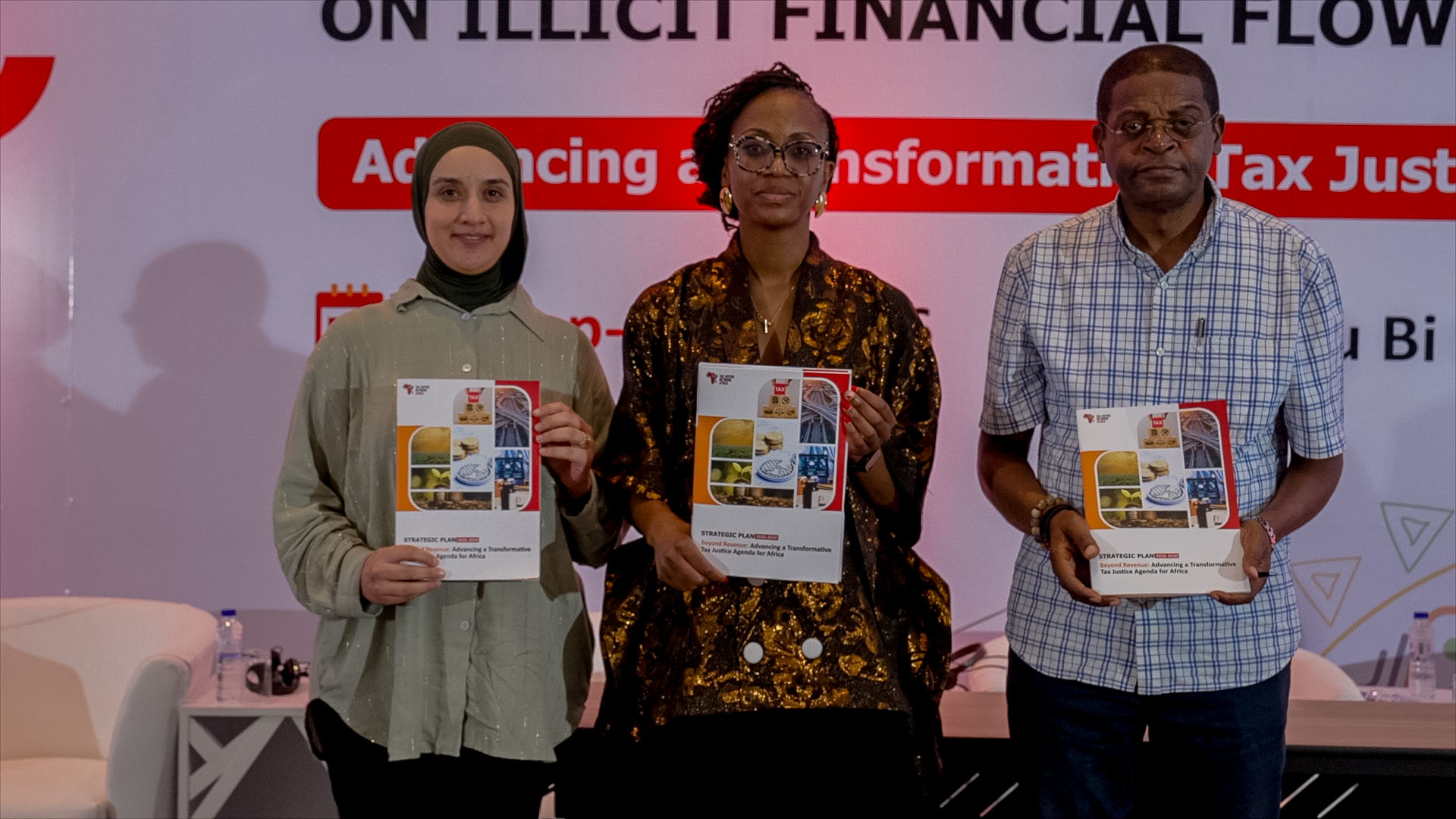
He further described the consideration of the TJNA Strategic Plan 2026–2030 as a defining moment for the organisation, noting that the strategy provides a roadmap for strengthening TJNA's leadership in advancing domestic resource mobilisation, tackling illicit financial flows, and promoting tax, economic, climate and social justice across the continent.
A key highlight of the day was the unanimous approval of the TJNA Strategic Plan 2026–2030. Following in-depth discussions, Executive Council members endorsed the strategy and expressed strong confidence in the organisation's future direction. The Council commended the Secretariat for the extensive consultative process and the quality of the strategic framework, noting that it positions TJNA to deepen its influence on tax justice, domestic resource mobilisation, and economic governance across the continent over the coming five years.
Beyond approving the Strategy, the Executive Council reviewed the Secretariat's mid-year narrative, financial, audit and human resources reports, as well as the proposed Procurement Policy revisions. The deliberations reflected the Council's continued commitment to transparency, accountability and sound institutional stewardship, while providing strategic guidance to support the Secretariat's implementation priorities for the remainder of the year.
The meeting also featured a governance and leadership training facilitated by an external governance consultant. The highly interactive session provided Executive Council members with an opportunity to reflect on the principles of effective leadership, the distinction between governance and management, board effectiveness, and the critical role of ethical leadership in strengthening organisational performance. Discussions highlighted that effective boards are future-focused, strategy-driven and grounded in integrity, accountability, transparency and service, principles that are central to TJNA's governance framework. The session was warmly received by Council members and generated thoughtful reflections on how leadership and governance can continue to evolve in response to emerging challenges facing civil society organisations.
The Executive Council concluded the meeting by reaffirming its confidence in the Secretariat and encouraging the team to maintain the momentum in implementing TJNA's programmes and advancing the organisation's mission. Members reiterated their commitment to providing strategic oversight while supporting the Secretariat in delivering impactful policy advocacy that contributes to fairer tax systems, stronger domestic resource mobilisation, and sustainable development across Africa.
As TJNA embarks on implementing its 2026–2030 Strategic Plan, the outcomes of this Executive Council meeting provide a strong foundation for the organisation's next phase of growth, one anchored in sound governance, strategic leadership, and a shared commitment to advancing tax justice for an equitable and prosperous Africa.
