

Tax Justice Network Africa (TJNA) called for transformative fiscal justice and accountable mineral governance to protect community rights and support Africa’s just transition at the Alternative Mining Indaba (AMI) held from 9–11 February 2026 in Cape Town.
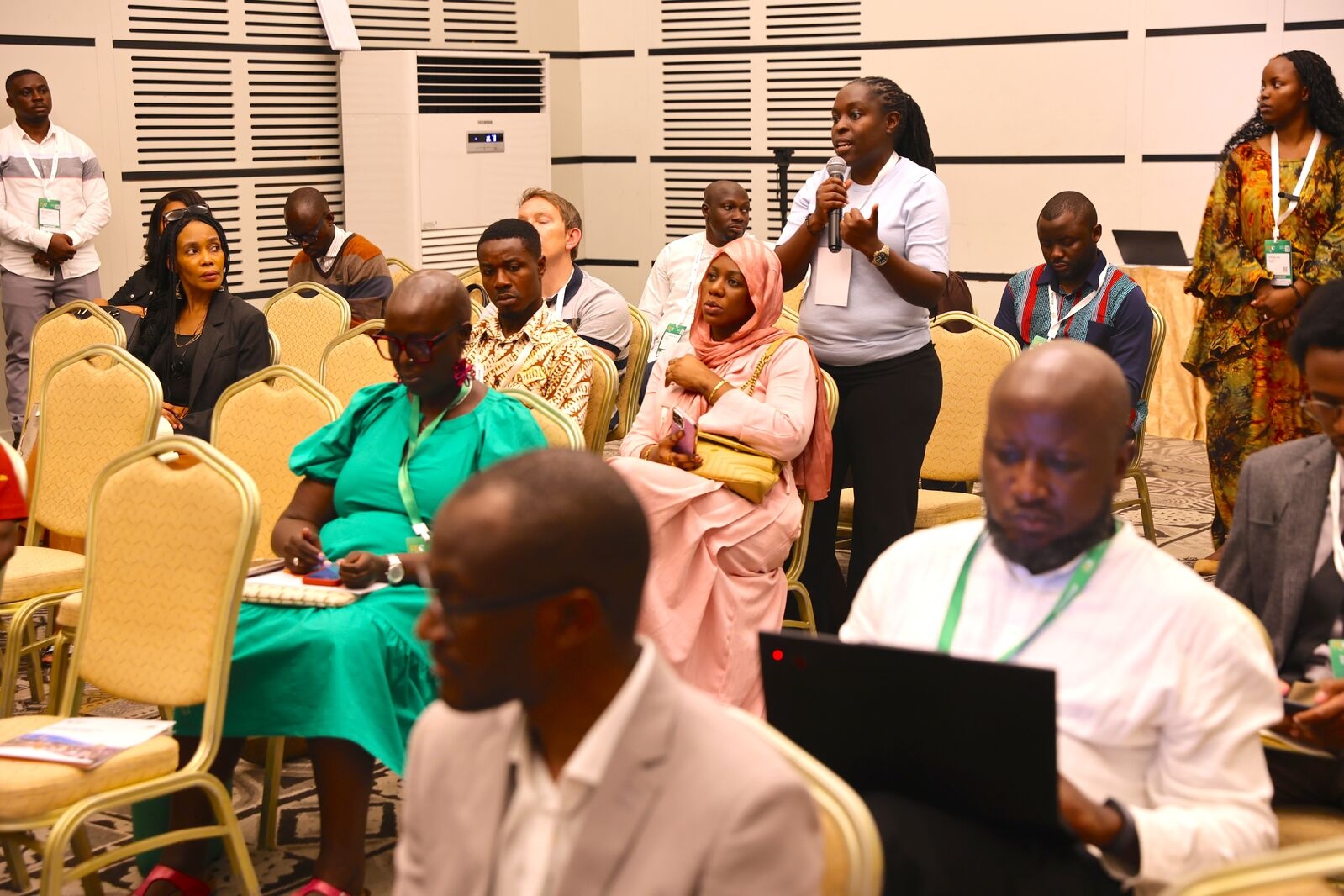
Held under the theme “Alternative Stories of Mining,” the event brought together communities, activists, civil society organisations, faith leaders, academia, and policy experts to discuss how mineral governance, taxation, and domestic resource mobilisation (DRM) can be reoriented to advance a just transition that places African people at the center of development.
This year’s gathering marked a shift toward a more grounded approach, centering the lived realities of mining‑affected communities and amplifying long‑standing demands for justice, accountability and meaningful transformation across Africa’s extractive sector.
AMI 2026 highlighted the ongoing inequalities and ecological damages embedded in Africa’s mineral industries, from displacement and weak labour protections to gender-specific impacts and rising debt burdens. These structural issues continue to hinder the continent’s capacity to finance climate adaptation, provide vital public services, and achieve fair development.
TJNA’s Partnership and Institutional Learning Manager, Ms. Nelly Busingye, highlighted that the global rush for critical minerals must not replicate historic patterns of extraction that strip value from Africa while communities bear the costs.
“Africa must negotiate differently, as a region, with clarity on value addition, and without surrendering its taxing rights. Our sovereignty depends on reclaiming the power to tax, govern, and invest our mineral wealth in people. The just transition will not be defined by what is extracted, but by how revenues are governed, distributed, and reinvested to build resilient economies,” Ms. Busingye said.
The current global financial architecture disadvantages African states, exposing how harmful tax incentives, profit shifting, opaque contracts, and weak governance frameworks persistently undermine mineral revenue generation.
“The energy transition cannot become a new extractive frontier. Africa must move up the value chain and turn critical minerals into development, not another cycle of raw export,” ActionAid Zambia’s Youth Programme Coordinator, Mr. Michael Mwansa, emphasised.
The conversation emphasised the need to align fiscal regimes with just transition objectives and ensure that communities benefit from mineral wealth.
Participants called for enhanced regional cooperation, greater transparency, and alignment with the Africa Mining Vision and Africa Green Minerals Strategy to prevent harmful competition among African states and to enable the continent to speak with one voice in global negotiations.
TJNA’s Policy Officer, Ms. Gloria Majiga, noted that financing a just transition is not merely a technical exercise but a question of political will and distributive justice. For African countries to chart sovereign pathways toward climate resilience, they require progressive taxation, reform of harmful tax incentives and fossil fuel subsidies, transparent mineral revenue governance, and regional cooperation.
“Domestic resource mobilisation is how Africa reclaims sovereignty and finances a just transition without dependence and debt. We cannot continue to rely on external aid or harmful incentives to meet our climate and development needs,” Ms. Majiga added.
TJNA remains committed to supporting civil society, and communities to strengthen DRM systems that deliver equity, accountability, and climate-responsive public finance.
AMI2026 amplified the power of collective action and community leadership in demanding a fairer extractive sector. While the Indaba 2026 has closed, the work to secure transparent, just, and people-centred mineral governance across Africa continues.
For more information about TJNA’s participation at the AMI 2026, please contact Gloria Majiga at gmajiga[@]taxjusticeafrica.net.
