
Civil society actors in Côte d’Ivoire reaffirmed their commitment to tax justice as a lever for sustainable financing of public services, particularly in the critical sectors of education and health.
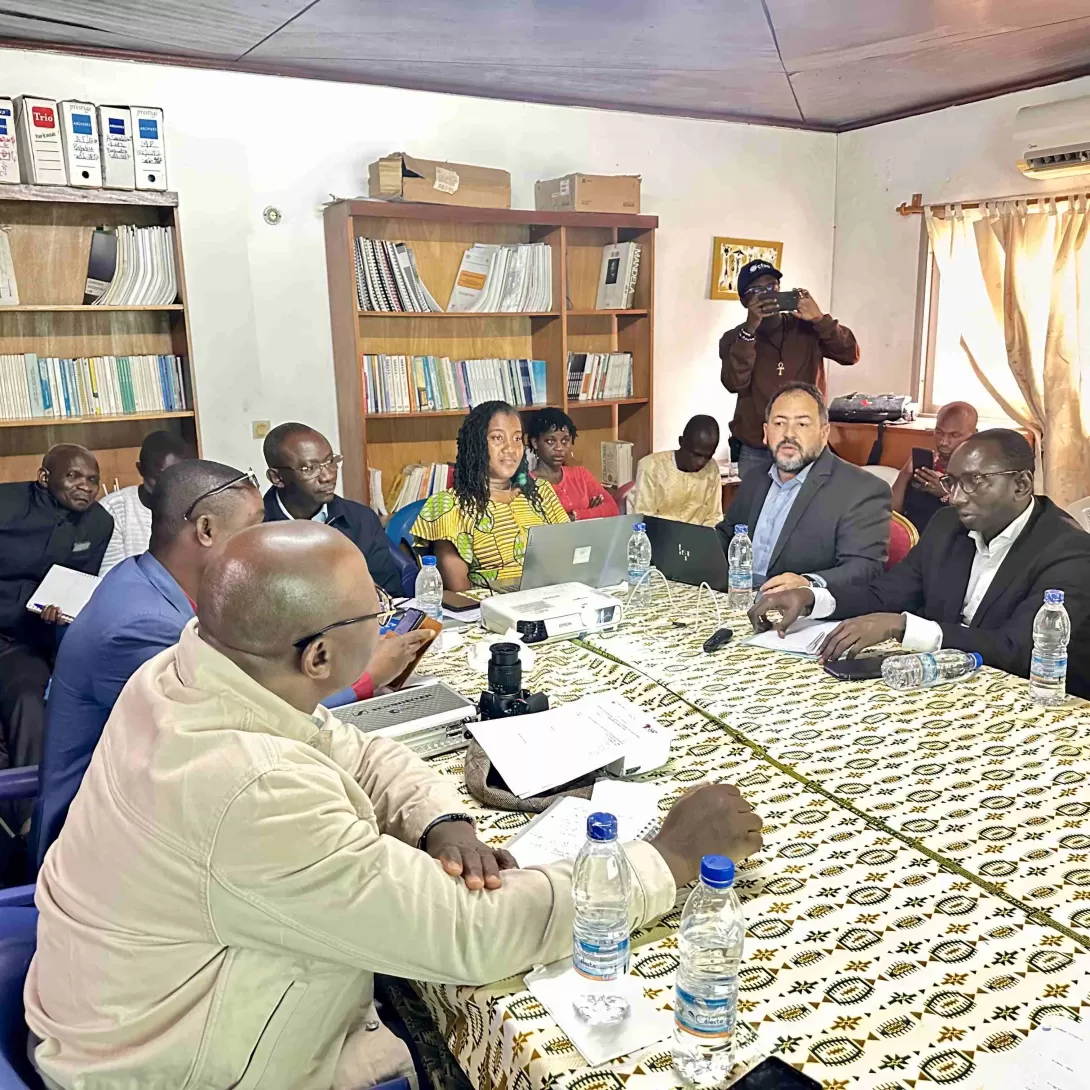
This followed an advocacy meeting held on 24 July 2025, at the headquarters of the Ivorian Human Rights Movement (MIDH) in Cocody, Abidjan.
The meeting was convened by the Global Initiative for Economic, Social, and Cultural Rights (GI-ESCR), in partnership with Tax Justice Network Africa (TJNA) and MIDH. It brought together civil society representatives, human rights defenders, and the media to reflect on the role of fair and progressive taxation in advancing the right to education and health in Côte d’Ivoire.
This engagement builds on earlier research conducted by MIDH in 2022 and 2024, which highlighted the negative consequences of the privatisation and commodification of education and healthcare. Both studies identified the state’s failure to adequately fund public services and recommended a shift toward more just and sustainable fiscal policies.
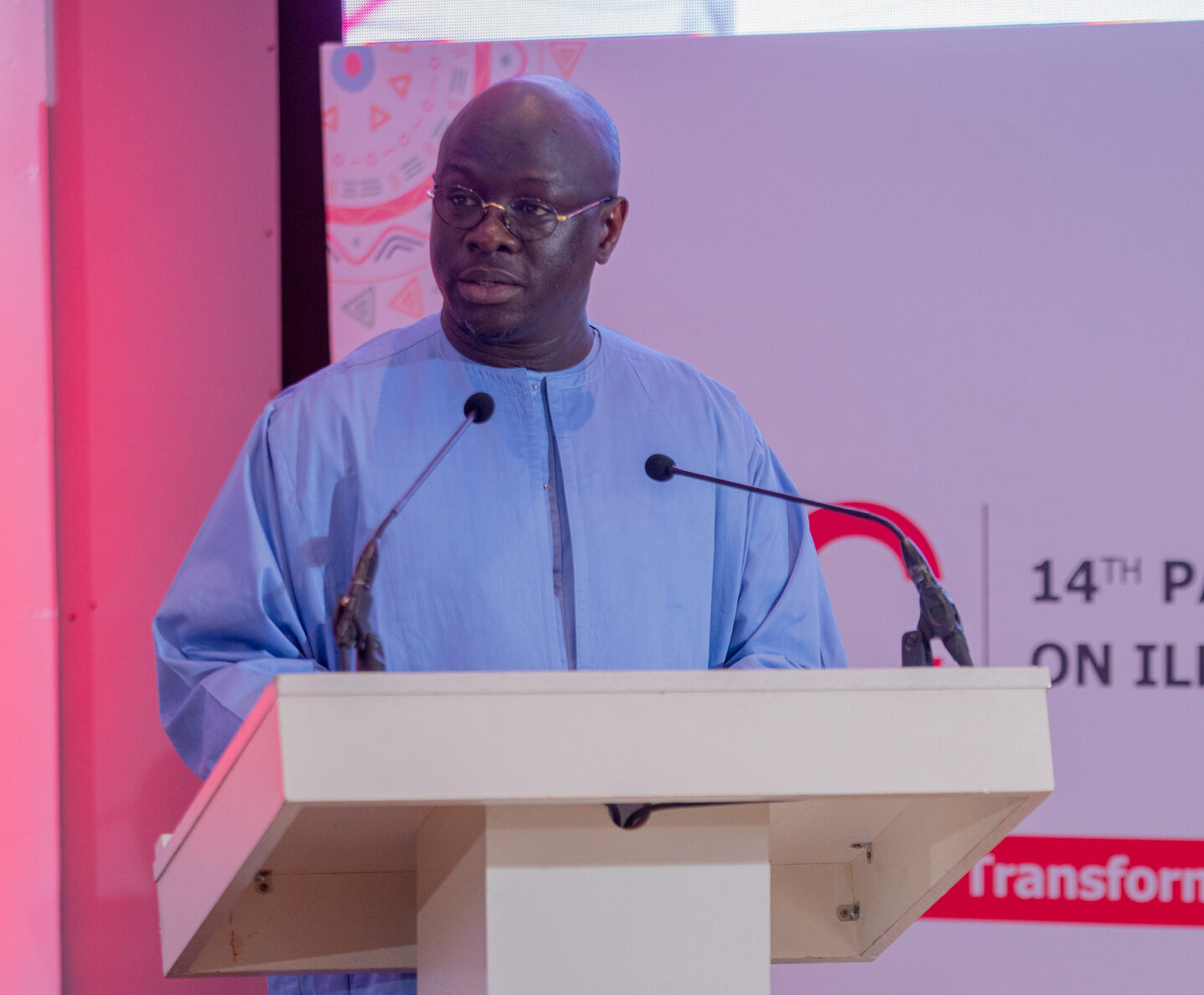
Speaking during the meeting, Bamba Drissa, President of MIDH’s Board of Directors, emphasised the importance of tax justice in realising human rights and reducing inequality:
“Public resources must benefit the majority, not a privileged minority. Tax justice is not only a technical issue; it is a democratic imperative. When public funds are managed transparently and equitably, they become powerful tools to guarantee fundamental rights, particularly the right to education and health.”
Delivering the thematic presentation on tax justice and sustainable public financing, the Programme Officer at GI-ESCR, Ms. Lou Aya Douabou, stressed the need to link fiscal reform to human rights outcomes.
“Tax justice is about more than revenue; it is about redistributing resources to guarantee dignity, equality, and opportunity. If Côte d’Ivoire is to meet its obligations on the rights to education and health, it must rethink its approach to financing public services through a lens of equity and accountability,” she said.
Ms. Douabou further outlined how tax justice can enable states to mobilise domestic resources more effectively, reduce dependency on aid or loans, and ensure the delivery of quality public services for all.
The meeting also served to define key concepts, share data, and raise awareness of global initiatives, such as the proposed United Nations Framework Convention on International Tax Cooperation, which aims to establish a more inclusive and transparent global tax system.
In his remarks, TJNA’s Senior Policy Officer, Mr. Francis Kairu, called for active civil society involvement in shaping international norms and standards on taxation.
“The proposed UN Tax Convention provides a historic opportunity for Africa to influence a fairer global tax system. For too long, tax rules have been written by and for wealthy nations. Civil society in Côte d’Ivoire must engage meaningfully in this process to push for reforms that prioritise development and curb illicit financial flows. Civil society is more than just a stakeholder; it is a catalyst for global tax justice,” Mr. Kairu said.
Participants highlighted the need for collective mobilisation to pressure governments to increase domestic resource mobilisation through fair and progressive taxation. They also called for stronger accountability mechanisms to track how public revenues are allocated and spent.
The meeting concluded with a collective commitment by Ivorian civil society to play a more active role in public finance discourse, including advocacy on global tax justice frameworks and engagement with relevant state authorities.
TJNA remains committed to supporting country-level efforts that link tax justice to human rights and development outcomes across Africa.
For more information on TJNA’s work in Côte d’Ivoire and West Africa, contact Francis Kairu at fkairu[@]taxjusticeafrica.net
